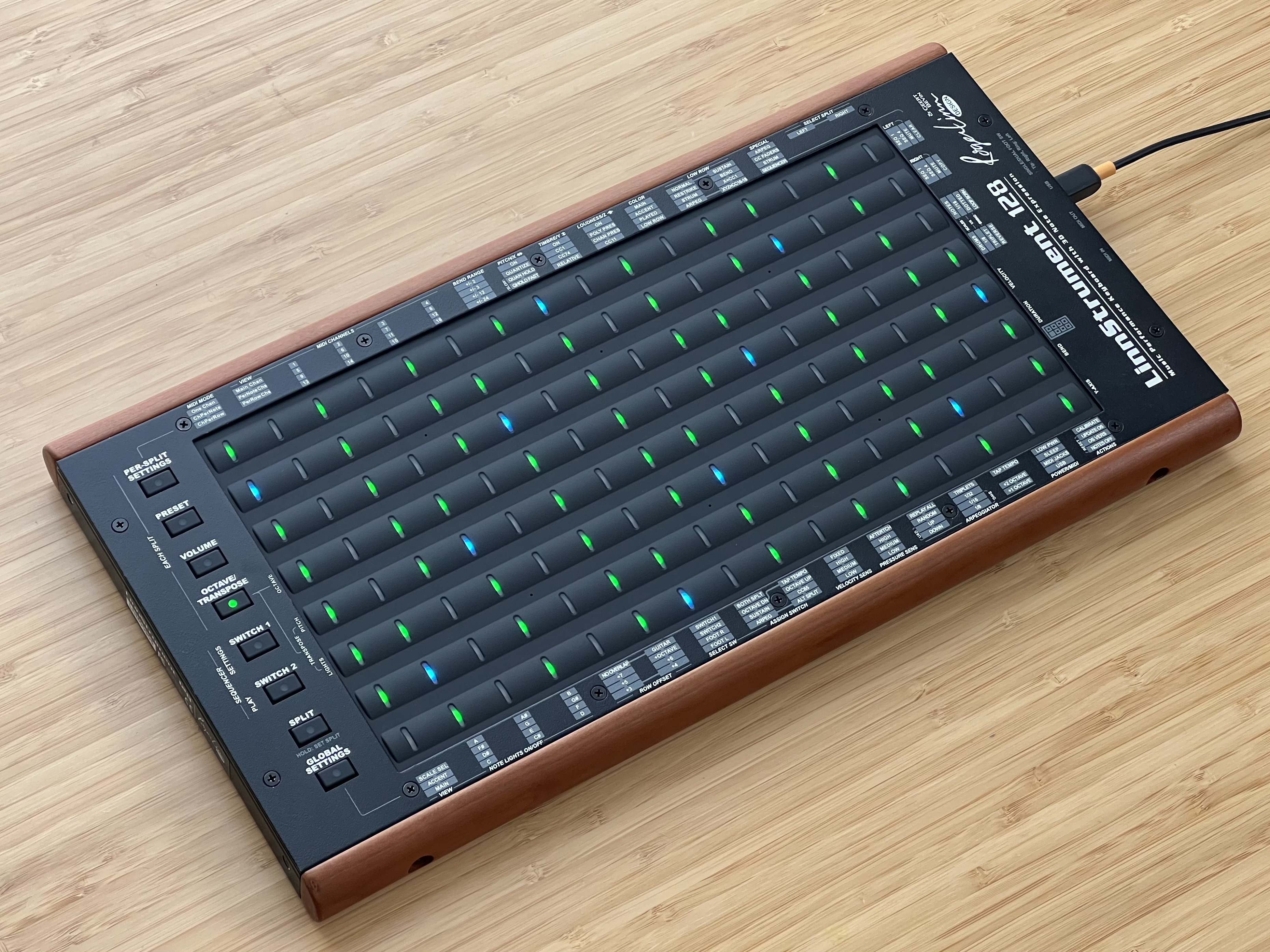
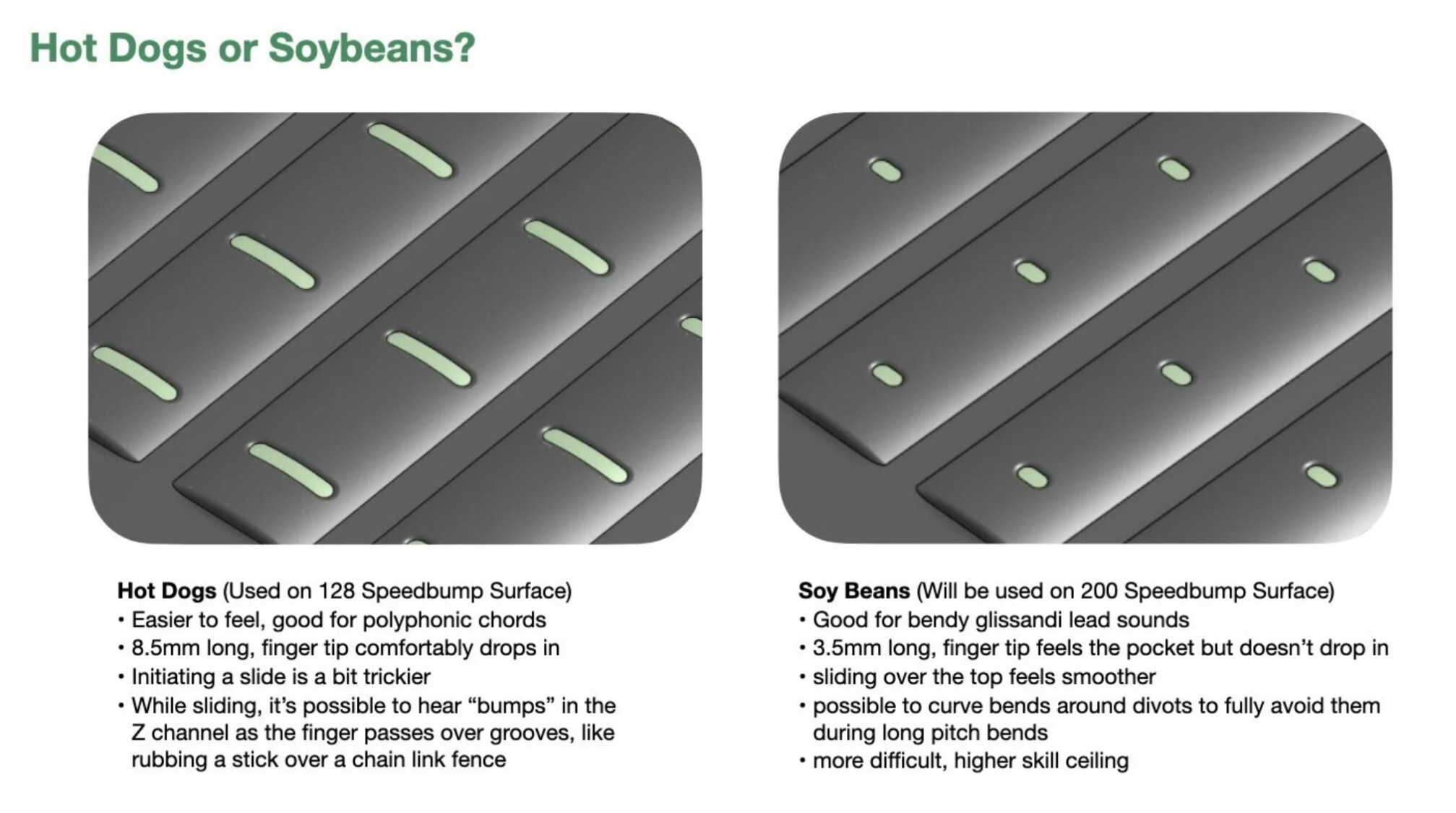
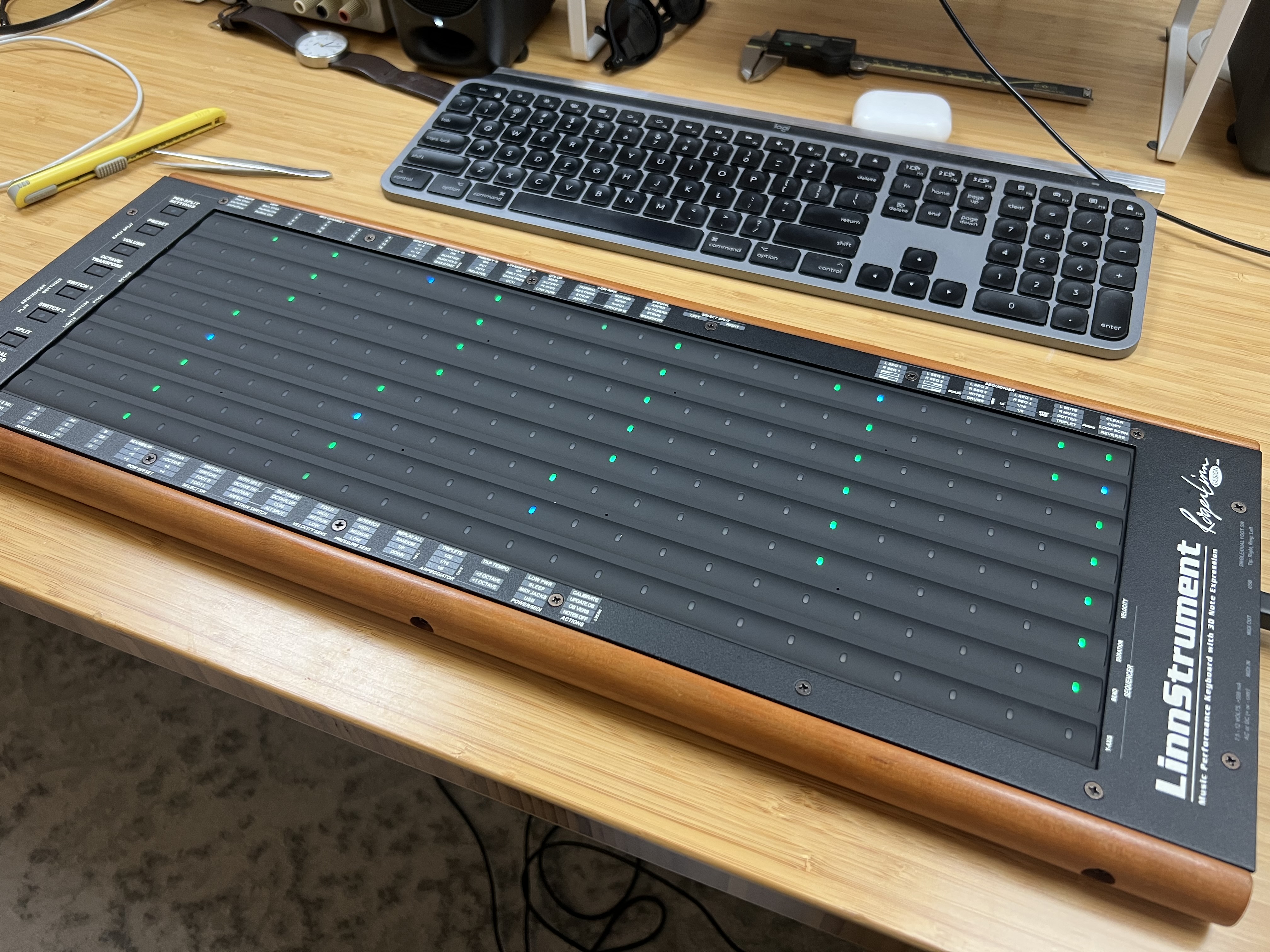
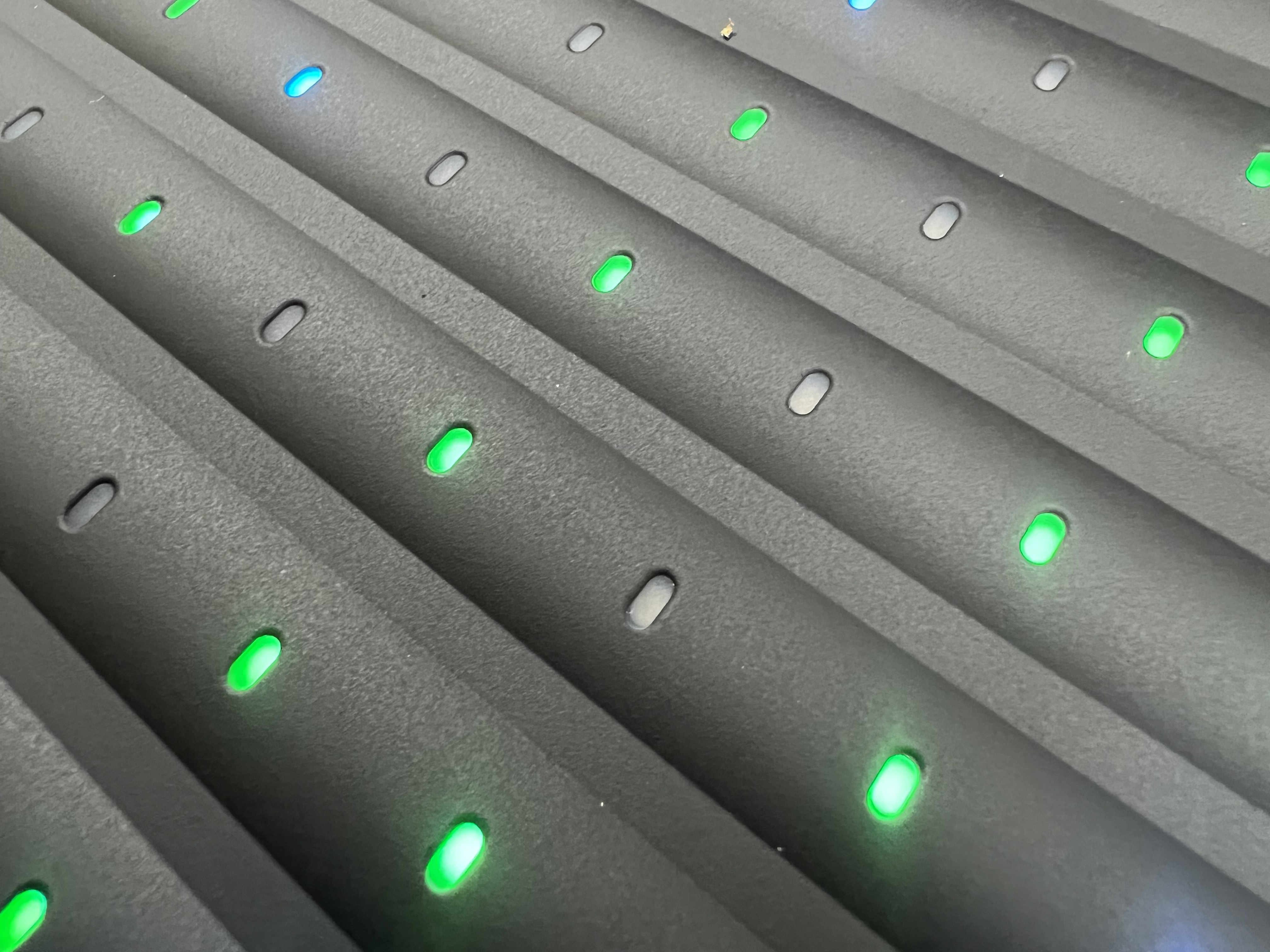
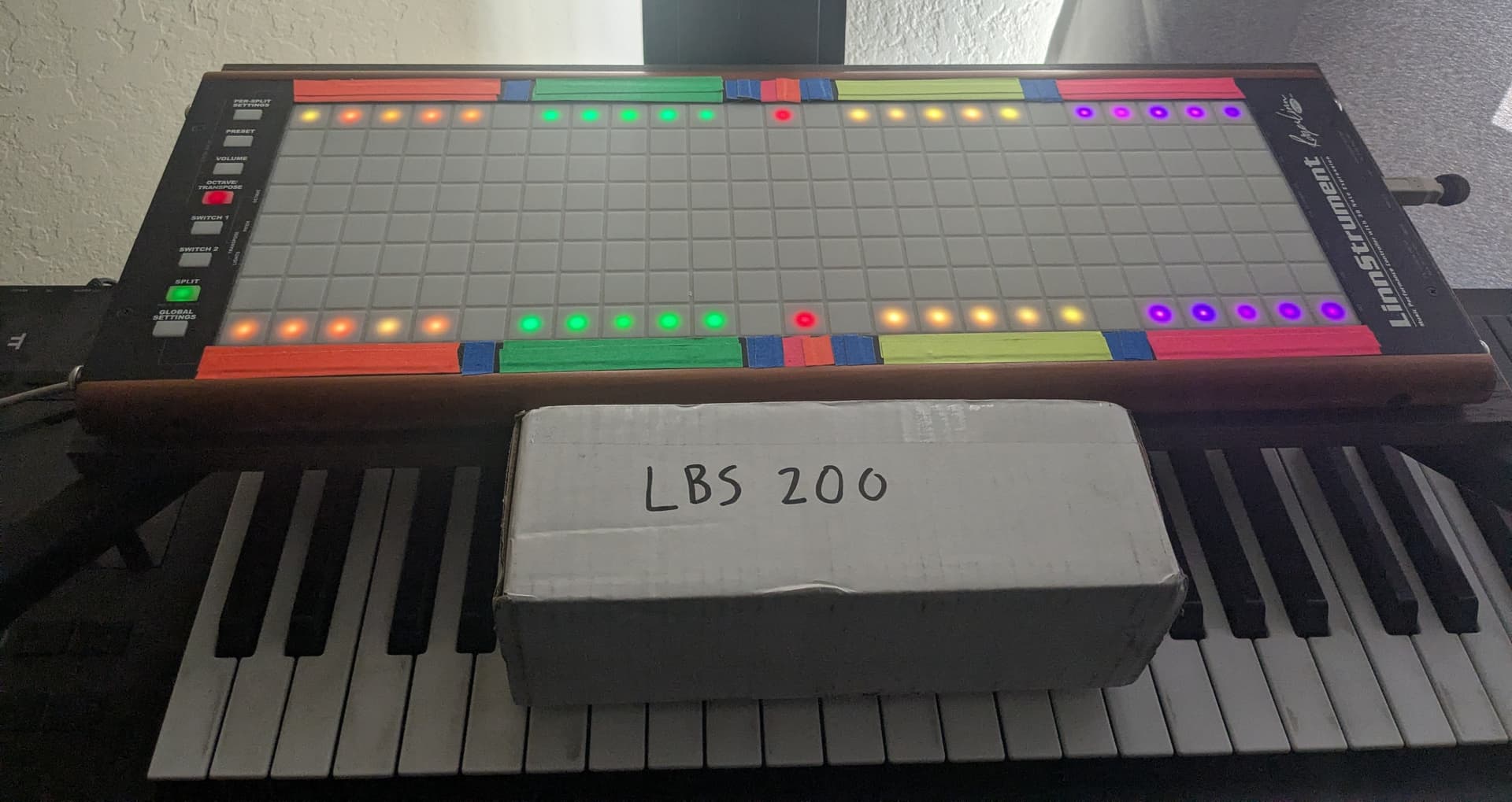
Continuing in the R&D spirit, I’m trying a new design for the 200 surface. The speed bumps are the same but I reduced the long dimension of the grooves for smoother pitch slides. Now you can slide around the groove, and even if you slide over the top your finger doesn’t fully drop into it.
It’s a bit less tactile than the long grooves on the 128 design, but I think it feels really nice. I’ll share some videos soon.
This looks great.
Is there any chance of making the soy bean variant for the 128 as well?
As I have a 128 and it looks like the “hot dogs” would trap fingers a bit when sliding.
The original grid lines can make some bumps in the pressure then sliding over them, so if the soy beans reduces that, then that is very interesting.
Otherwise I might just need to get a 200…
Unfortunately chances are low that I make a soy beans version for 128, it would be hard to break even due to the fixed number of 128s out there and the fact that I’ve already sold the hot dog design to many of the potential customers.
I’ll wait to see both versions in the wild for a bit. Some customers have both linnstruments and are buying both versions of the bumpy surface. I’ll collect their feedback and see if there’s a strong consensus that one or the other design is better, and consider porting that design to the other size. But no guarantees or timeline on that.
The paint is a thin layer on top of the silicone, below the urethane coating. It has virtually no impact on the stiffness/sensitivity. I don’t know the exact thickness but I can’t measure it with my caliper so I think it’s 0.01 to 0.02mm thick. I’ll check with the vendor.
I was just thinking the opposite; wondering why I haven’t made efforts to trade my 200 for a pair of 128’s.
The key difference, for my use, being that Ableton doesn’t support the concept of MPE Zones. So, the “Split” button is effectively useless – Live can’t tell one half from the other.
Plus, the “hot dog” LED strips are just such a distinct look. Damn sexy, really. (I get that the soybeans are more playable, but it’s still a consideration.)
In lieu of that, I’ve started building an alt firmware, meant to shunt one side of the 200’s grid over to a second USB endpoint. I’m also considering a secondary version, with four such endpoints for a specific layout.
Have not had the nerve to actually test any of this, though; it’s honestly terrifying.
(the USB parser needs to be patched independently of the Linnstrument codebase, so that’s much less friendly and well documented)
Anyway, I’m using the 200 Speedbump release as a sort of February deadline.
It’s funny you mention that challenge with Ableton, Connor Golden was just talking about the same thing.
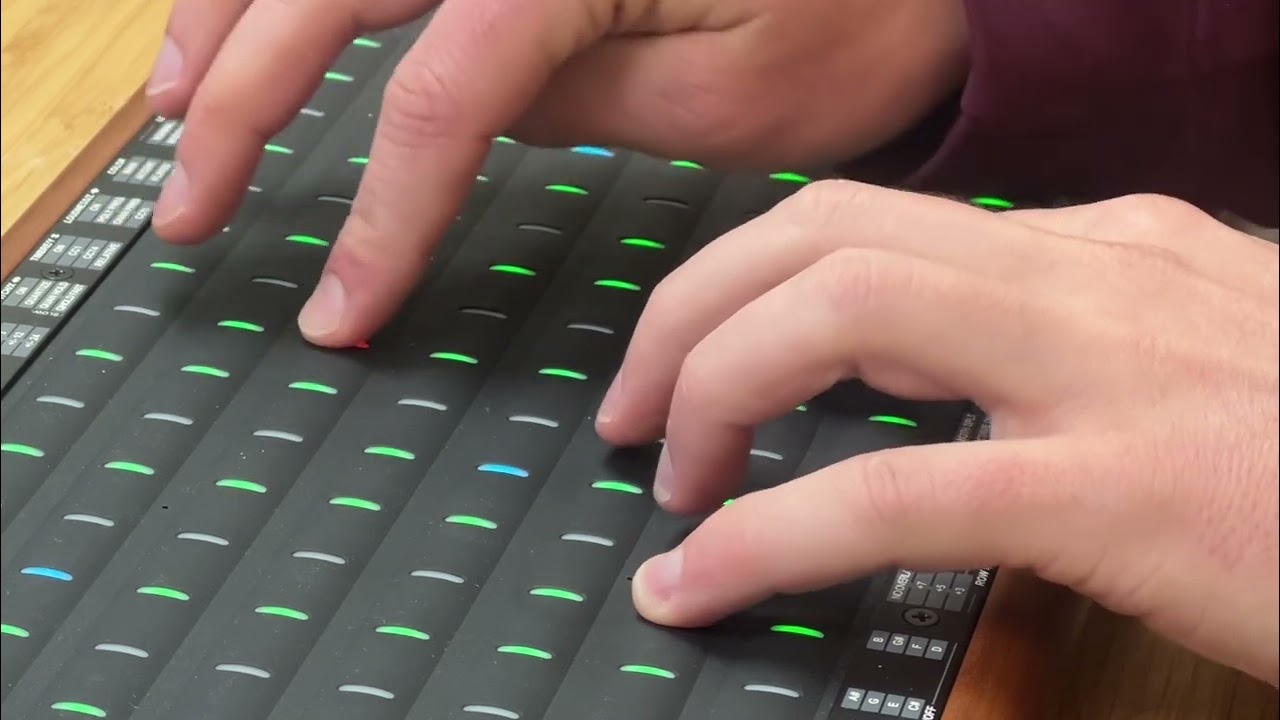
In this video you can see him jamming on the hot dog grooves with Ableton sounds. Critically, the left split is quantized the some extent while the right split is fully unquantized. He had to trick Ableton by transposing one split up multiple octaves so that the splits have no MIDI overlap, then correcting it back down inside Ableton and dividing the two sounds by midi note number.
But not to get too far off topic, I hope this video demonstrates the sort of LinnStrument play by feel on that was the whole purpose of the bumps. Actually, when I edited this video it was the first time I felt pretty sure that project was a success.
Congrats on the new design and the version for the 200. I would pre-order but I ran out of money for now. I am also curious as to whether you support international shipping and what sort of costs are involved (UK in my case). Thanks!
As for Ableton, the sad thing is that it does support MPE Zones when it comes to MPE out from tracks, its just MIDI In from actual MPE controllers where the concept of the zones is missing.
If I wanted to solve that without having to resort to note pitch workarounds, I suppose I would need to develop something. Either (a) a Max4Live device that can split incoming MIDI into two distinct MIDI outputs, if Max4Live and the way it can be wired up inside Live turned out to be suitable. Or (b) an external app that can split the zones data and send it out to two separate virtual MIDI ports, with each of those ports then being setup in Ableton MIDI input settings rather than the original MPE controller being configured as an input in Live. I believe Windows 11 is gaining built in virtual MIDI in 2026, making it as viable to do this on that OS as it already is on Mac.
I keep forgetting to ask: Are the LEDs readable in direct sunlight?
That’s a huge issue with the light diffusing pads on most grid controllers, and the original Linnstrument surface. Probably isn’t great for Erae Touch either.
…but the black surface doesn’t diffuse sunlight, and the holes don’t diffuse anything.
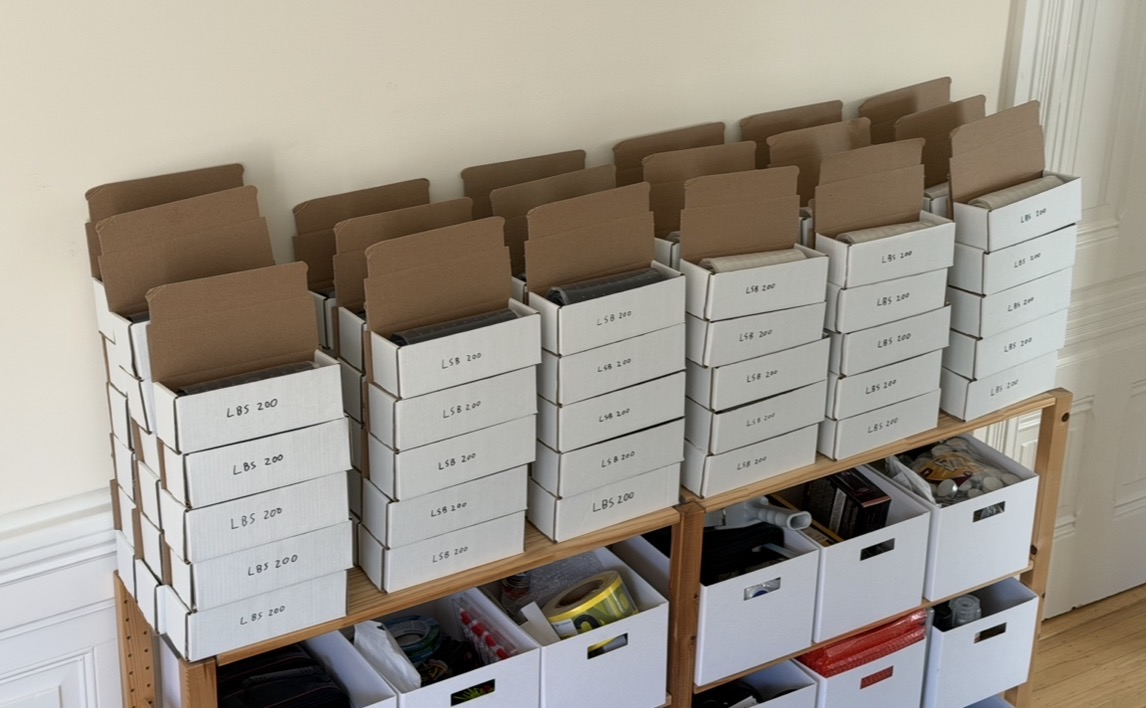
Sorry about the bare minimum packaging. This project has been a trial run for me to learn how to sell things. I‘ll do better in the future. Thanks for supporting it.
Here are about half of the surfaces going out. I feel like I work in a fish market slanging fish filets (rubber sheets)